Reviews of the Maxtor 60040K0 Hard Drive. Maxtor 60040K0—a storage device that belongs to a specific era and occupies a distinct position in the market. Whether this is a brand-new mainstream drive or a decades-old retro component, our goal remains the same: to evaluate it fairly within its intended context. We will examine its physical specifications, interface compatibility, real-world transfer performance, acoustic behavior, thermal output, and long-term reliability considerations.
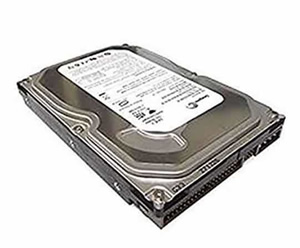
The Maxtor 60040K0 is a legacy hard disk drive originally positioned for desktop and entry-level server storage in the early 2000s. It was designed as a budget-friendly internal storage solution, targeting users who needed reliable bulk storage for operating systems, applications, and personal files without requiring cutting-edge speed or high capacity.
Core specifications include a 40GB platter capacity (unformatted), an Ultra ATA/100 interface, a spindle speed of 5400 RPM, and a 2MB cache buffer. The drive uses a standard 3.5-inch form factor and features fluid dynamic bearings (FDB) in later revisions for quieter operation. Its average seek time is rated at approximately 9.0 ms.
Performance is modest by modern standards; sequential read and write speeds peak around 30-35 MB/s, with random access latency typical of 5400 RPM drives. In its era, it offered adequate throughput for single-user tasks like word processing, internet browsing, and light multimedia playback. It is not suitable for modern operating systems or gaming due to severe speed limitations.
Key advantages include high durability for its time, relatively low power consumption (around 7W during operation), and quiet acoustics. The drive’s robust mechanical design often allowed for years of continuous use in non-demanding environments. Disadvantages are its very low capacity, obsolete interface (IDE/PATA), and poor performance compared to any current SSD or even modern HDDs.
Typical use cases are retro computing builds, original Xbox modding, or legacy system upgrades where native IDE connectivity is required. It can serve as a secondary storage for vintage software archives but is impractical for primary boot drives in any modern PC. Its small size also makes it an ideal choice for system recovery disks in old hardware.
Purchase recommendations: Only buy if you specifically need an IDE drive for a retro project or vintage machine. Verify the drive’s health with SMART diagnostics and avoid units with excessive power-on hours or reallocated sectors. Expect to pay minimal cost (often under $10) due to obsolescence. For daily use, invest in a modern SSD with an IDE adapter instead.
